
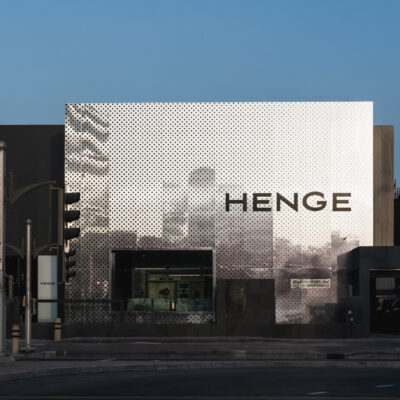
Henge is an Italian furniture brand founded in 2011 in the Veneto region by CEO Paolo Tormena, built on the principle that raw, hand-finished materials carry more character than factory-perfect surfaces. The Henge Dubai flagship store, which opened on June 19, 2025, at 831 Jumeira Street, with direct views of the Burj Al Arab, embodies that philosophy in a city where polished marble, mirror-finish metals, and flawless lacquer dominate residential interiors. The tension between Henge’s deliberately textured approach and Dubai’s appetite for pristine finishes is precisely what makes Henge furniture a serious proposition for buyers who want their homes to feel lived-in rather than staged.
Why Henge Furniture Rejects Industrial Perfection
Henge furniture is produced entirely in Italy using hand-processing methods that leave visible traces of the craftsman’s work, including natural grain variation in stone, uneven patina on burnished metals, and irregular textures in sand-cast bronze. Henge’s creative director Massimo Castagna and co-founder Isabella Genovese (a IUAV University of Venice graduate, class of 2000) direct a design language where material imperfection functions as proof of authenticity, not as a defect. Every Henge product page on henge07.com carries the same notice: variations in marble, metal, or woodwork “are to be expected and celebrated.”
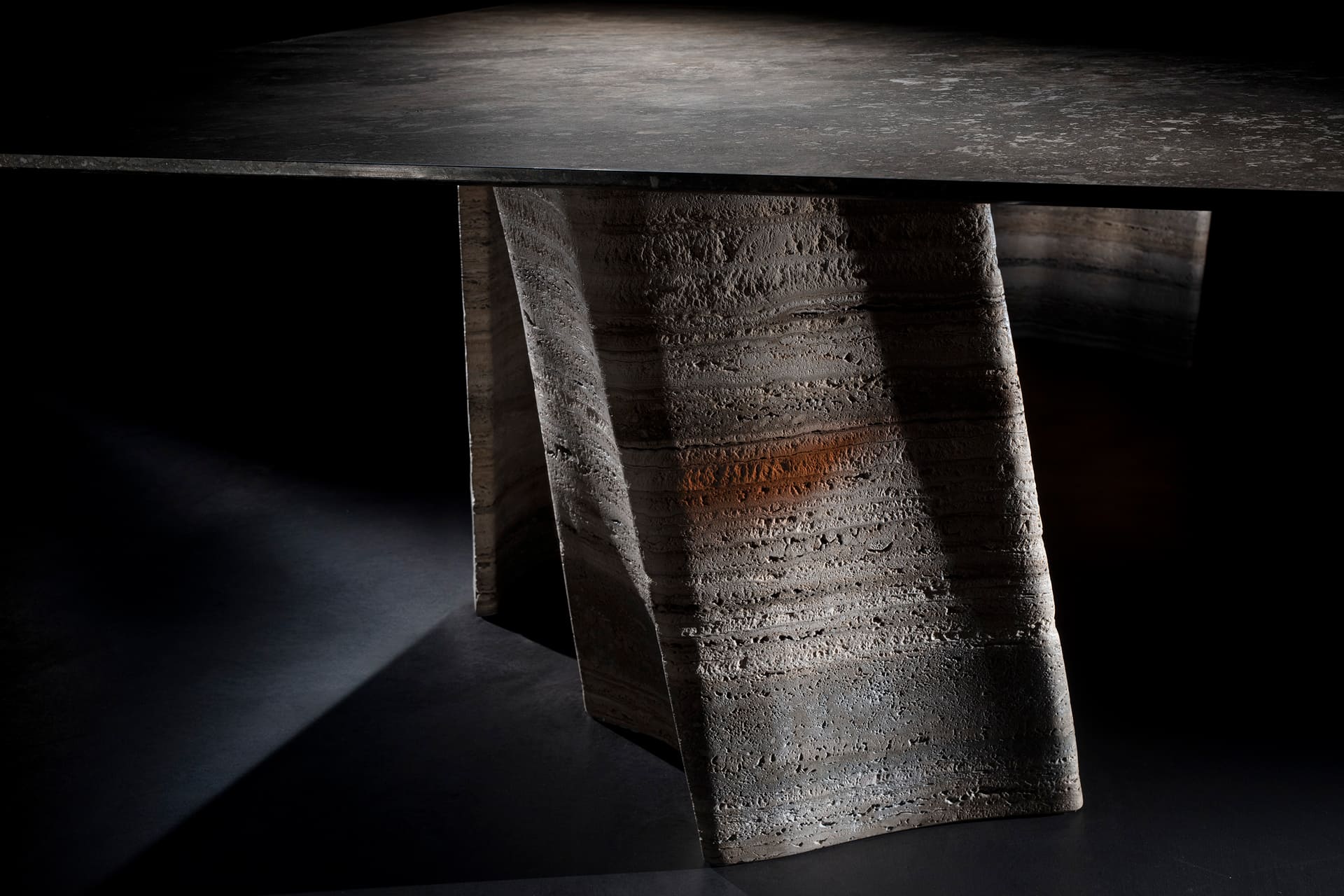
Henge sources materials that are rare by nature, not by artificial scarcity. Breccia Medicea dell’Acqua Santa, a marble historically used by the Medici family to decorate Renaissance churches across Europe, appears in select Henge pieces. Rapolano Travertine forms the hand-chiseled legs of the Henge Sisma dining table. Swamp ash, retrieved from centuries-old trunks preserved in marshy terrain, serves as structural material for Henge table and cabinet designs. None of these materials can be made uniform through industrial processing, and Henge treats that limitation as a design advantage.
What the Henge Dubai Showroom Offers That Other Dubai Furniture Stores Do Not
The Henge Dubai flagship store at 831 Jumeira Street is a monobrand space designed using a site-specific approach that accounts for local light conditions, architectural proportions, and the visual rhythm of the surrounding streetscape. Henge CEO Paolo Tormena described the Dubai showroom’s purpose as creating “a space that could engage with this multicultural landscape without compromising our identity.” The Henge Dubai showroom displays both signature Henge icons and recent collection releases, arranged in living and dining room configurations rather than isolated product displays.
The Henge Dubai showroom opened following the brand’s Miami Design District flagship (a 350-square-metre space launched in 2024) and the Henge London flagship. Henge now operates showrooms in Milan (Via della Spiga 34), Miami, London, Dubai, and through authorized partners in cities including New York, Los Angeles, Shanghai, Dallas, and Shenzhen. The Henge Dubai location serves architects, interior designers, and private clients across the Middle East, a region where Henge also announced the Henge Residences project: 166 branded residences developed in partnership with Nord, a Dubai-based real estate developer.
How Henge Furniture Is Constructed: Materials, Finishes, and Lead Times
Henge furniture is handcrafted in Italy with standard delivery times of 10 to 12 weeks from order confirmation, according to authorized Henge dealers. The Henge production process relies on artisan workshops in the Veneto region rather than automated factory lines. Henge’s material palette spans natural stone (Rapolano Travertine, rare onyx variants including STR Onyx), hand-burnished metals (burnished brass, burnished titanio, burnished platino, black burnished steel), Murano blown glass, Norwegian softwood, and full-grain leathers.
The construction of individual Henge pieces illustrates the brand’s material complexity:
| Henge Product | Designer | Key Materials | Dimensions (cm) |
|---|---|---|---|
| Henge Sisma Table | Massimo Castagna | Rapolano Travertine legs, Sand Cast Peltro/Gold or Rapolano VS top over metal core | 300x90x75h / 320x150x75h |
| Henge Bond Sofa | Massimo Castagna | Plywood structure, PF45FR polyurethane + memory foam, Assopiuma Gold Label goose down, 100% cotton lining | 82x120x66h / 115x120x66h / 115x170x66h |
| Henge Gentle Sofa | Yabu Pushelberg | Plywood with variable-density PF45FR polyurethane + memory foam, SR75 structural support | 125x100x70h to 250x130x70h |
| Henge Legacy Pendant Light | Massimo Castagna | Glass tubes with Sand Cast Peltro rings, burnished brass cylindrical structure, 360-degree Neon LED 24V (3000K, CRI over 90) | Diameter 100 / 120 / 240×120 |
| Henge Radical Sofa | Massimo Castagna | Norwegian softwood, T40P polyurethane, Gold Label white duck down, leather upholstery | 260x110x70h to 320x110x70h |
Henge sand-cast metal tabletops, such as those on the Henge Sisma table, are produced in one-metre units and joined by hand. Henge tables longer than three metres require three stone legs instead of two. These production constraints exist because Henge sand-casting is performed manually, not through CNC machining or automated mold injection.
Why Deliberately Imperfect Furniture Suits Dubai Residential Interiors
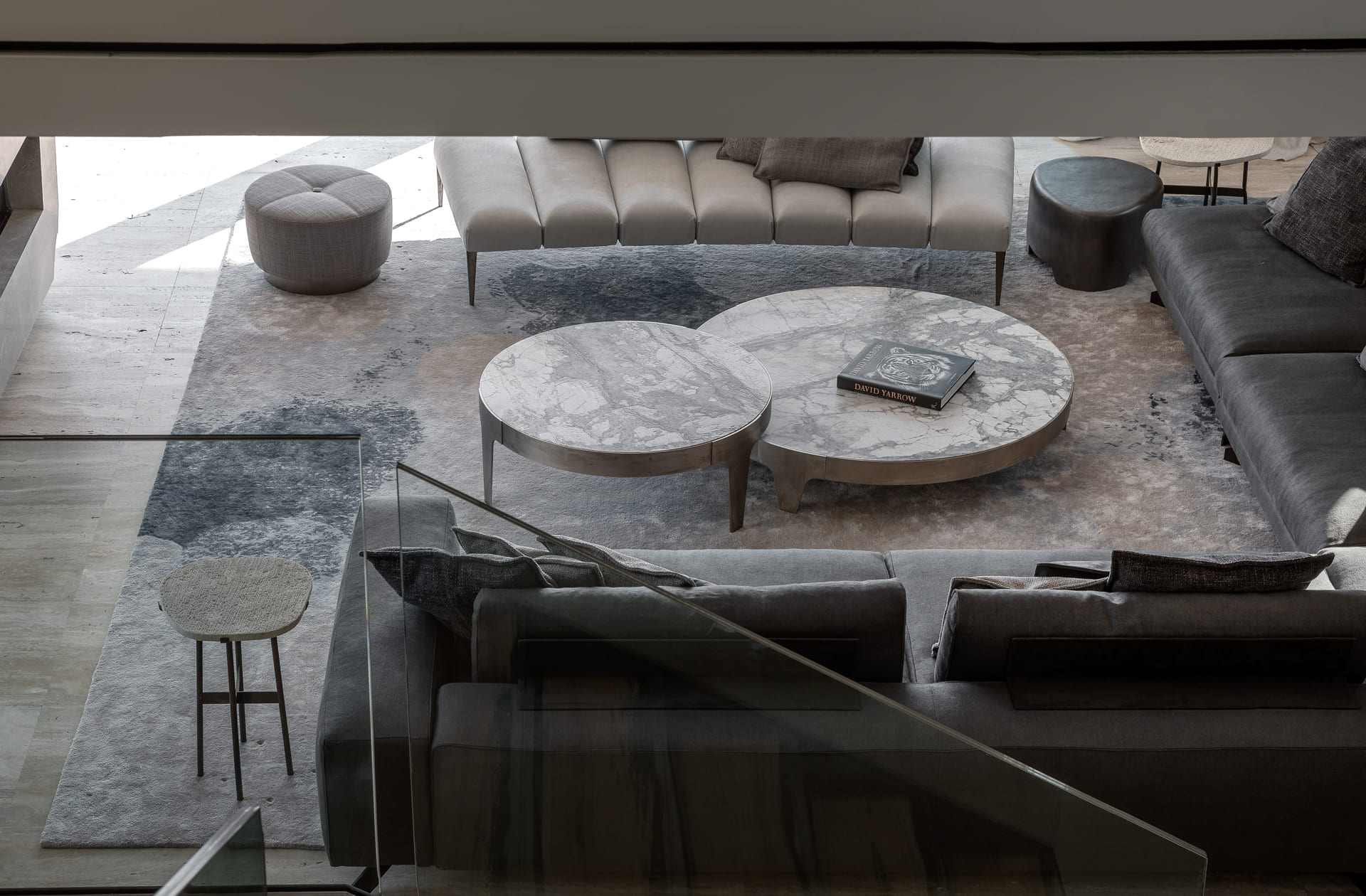
Dubai’s residential design market has historically rewarded uniformity: polished Calacatta marble slabs, machine-finished stainless steel, and spray-lacquered cabinetry with zero visible grain. Henge furniture introduces a contrary material language into that context. The porous surface of a Henge coffee table made from white Ostuni stone visibly records the passage of time. The oxidation patterns on a Henge burnished brass bookshelf differ from unit to unit because each metal surface is hand-treated. Henge wall panelling retains the tactile irregularity of its raw material rather than sanding surfaces to a uniform plane.
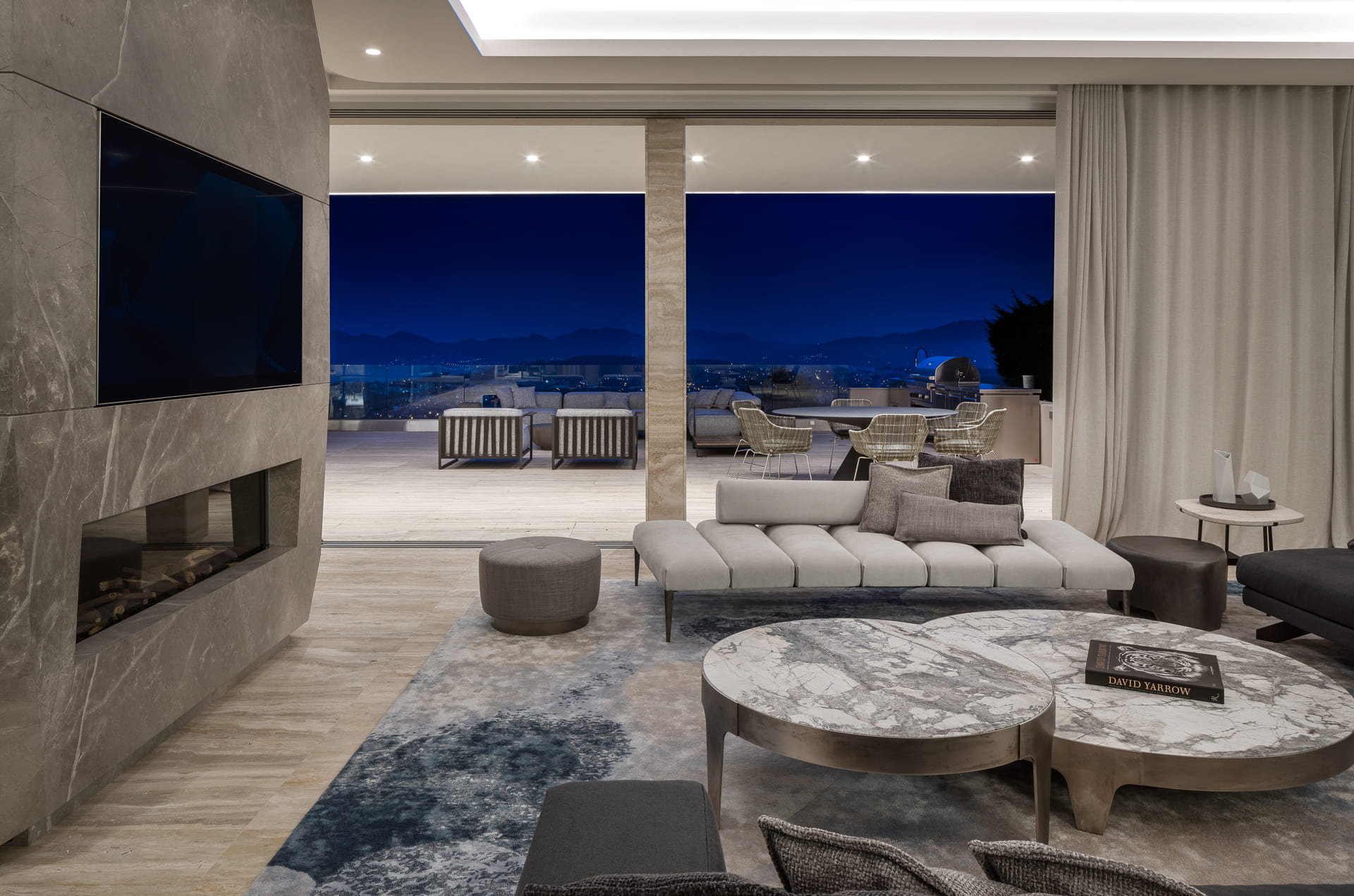
The case for imperfect surfaces in Dubai residential interiors is practical, not just aesthetic. Hand-burnished metals develop deeper patina over time rather than degrading; machine-polished metals show scratches immediately. Natural stone with a honed or textured finish conceals daily wear marks that would be conspicuous on a polished slab. Henge leather upholstery, available in full-grain options from the Henge samples catalogue, acquires character with use rather than peeling or cracking the way bonded leather alternatives do in Dubai’s climate.
Henge Designers: Massimo Castagna, Yabu Pushelberg, Ugo Cacciatori, and Recent Additions
Henge’s product catalogue is the result of sustained collaboration with a defined group of designers rather than rotating guest contributors. Massimo Castagna serves as Henge’s creative director and has designed the majority of the Henge catalogue, including the Henge Sisma table, the Henge Bond sofa, the Henge Radical sofa, the Henge Light Ring suspension lamp, the Henge Starlight suspension lamp, the Henge Bistrot bookcase, the Henge S-Penny table, and the Henge Side X Evo storage unit. Yabu Pushelberg, the internationally recognized Canadian design studio led by George Yabu and Glenn Pushelberg, created the Henge Gentle sofa and the Henge Mushroom coffee tables in sand-cast brass and bronze.
Ugo Cacciatori, a jewellery and contemporary lifestyle designer, contributed a series of products that merge Henge’s material vocabulary with sculptural metalwork. Irish architect Stephen Tierney designed the Henge Savanna chair in smooth grey walnut or dark-stained and sandblasted ash. For the 2025 Henge collection, unveiled during Milan Design Week, Henge introduced two new design collaborations: Turkish designer Tanju Ozelgin and American lighting designer Johanna Grawunder. The 2025 Henge collection includes three new upholstered seats (Audace, Cohiba, and Oblio) and three new coffee tables (Echo, Interlude, and Match Box).
How to Buy Henge Furniture in Dubai
Henge furniture in Dubai is available through the Henge Dubai flagship store at 831 Jumeira Street, Dubai, United Arab Emirates. The Henge Dubai showroom is a monobrand location operated directly under Henge’s international retail network. Dubai-based buyers can also access Henge pieces through authorized Italian furniture dealers in the UAE, including Solomia Home, a Dubai Mall-based luxury interior design company and Italian furniture dealer that carries Henge alongside other Italian brands and offers full-service interior design, fit-out, and furnishing for private residences across the UAE.
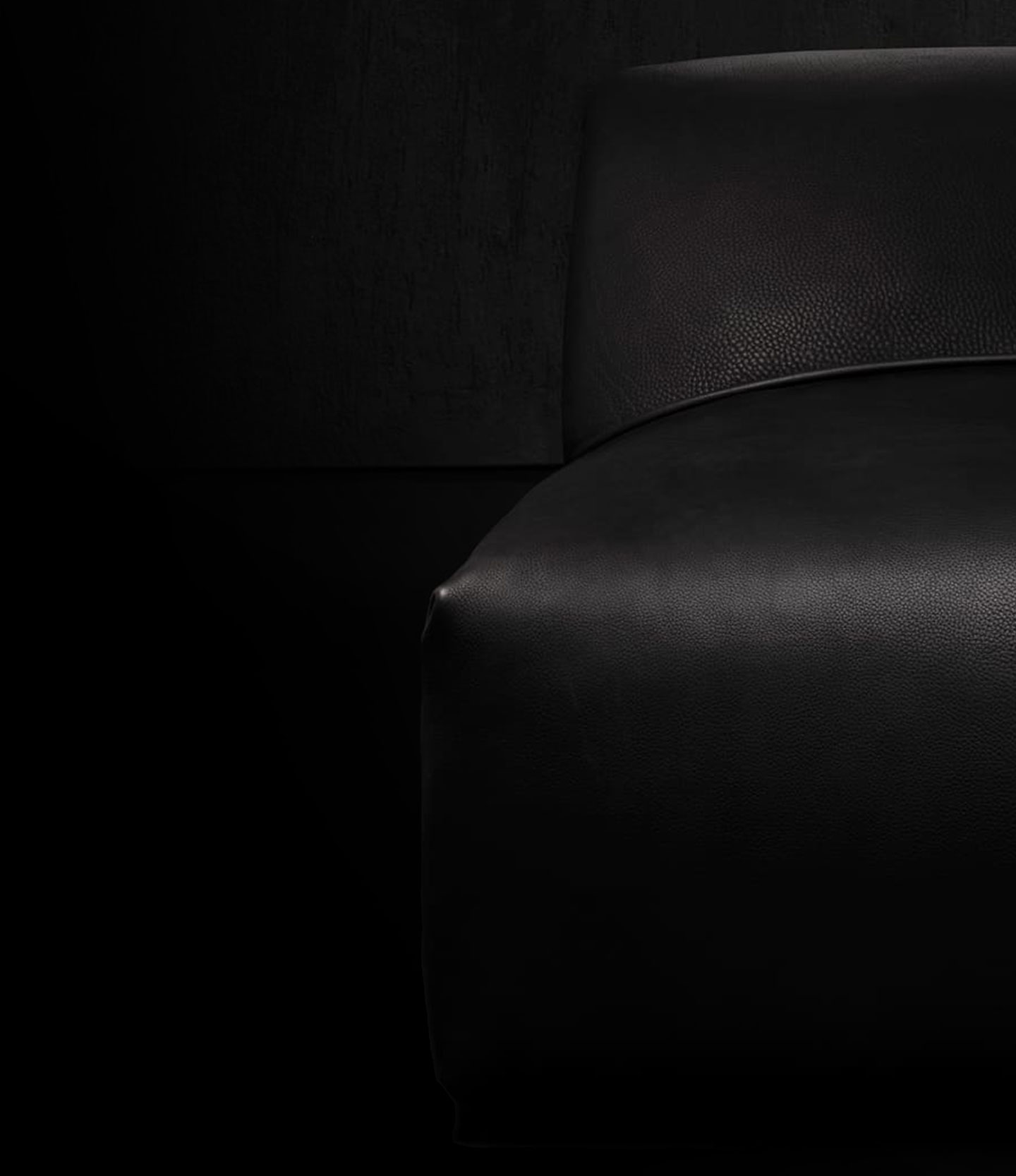
Henge furniture is priced on a project basis and is not listed at fixed retail prices on henge07.com. Henge pieces are fully customizable: buyers can specify cover materials (leather or fabric from the Henge samples catalogue), metal finishes (burnished brass, burnished titanio, burnished platino, or black burnished steel), stone types, and dimensions within the constraints of each product’s engineering. Henge’s standard production-to-delivery cycle runs 10 to 12 weeks for most items.
Henge Product Categories Available at the Henge Dubai Showroom
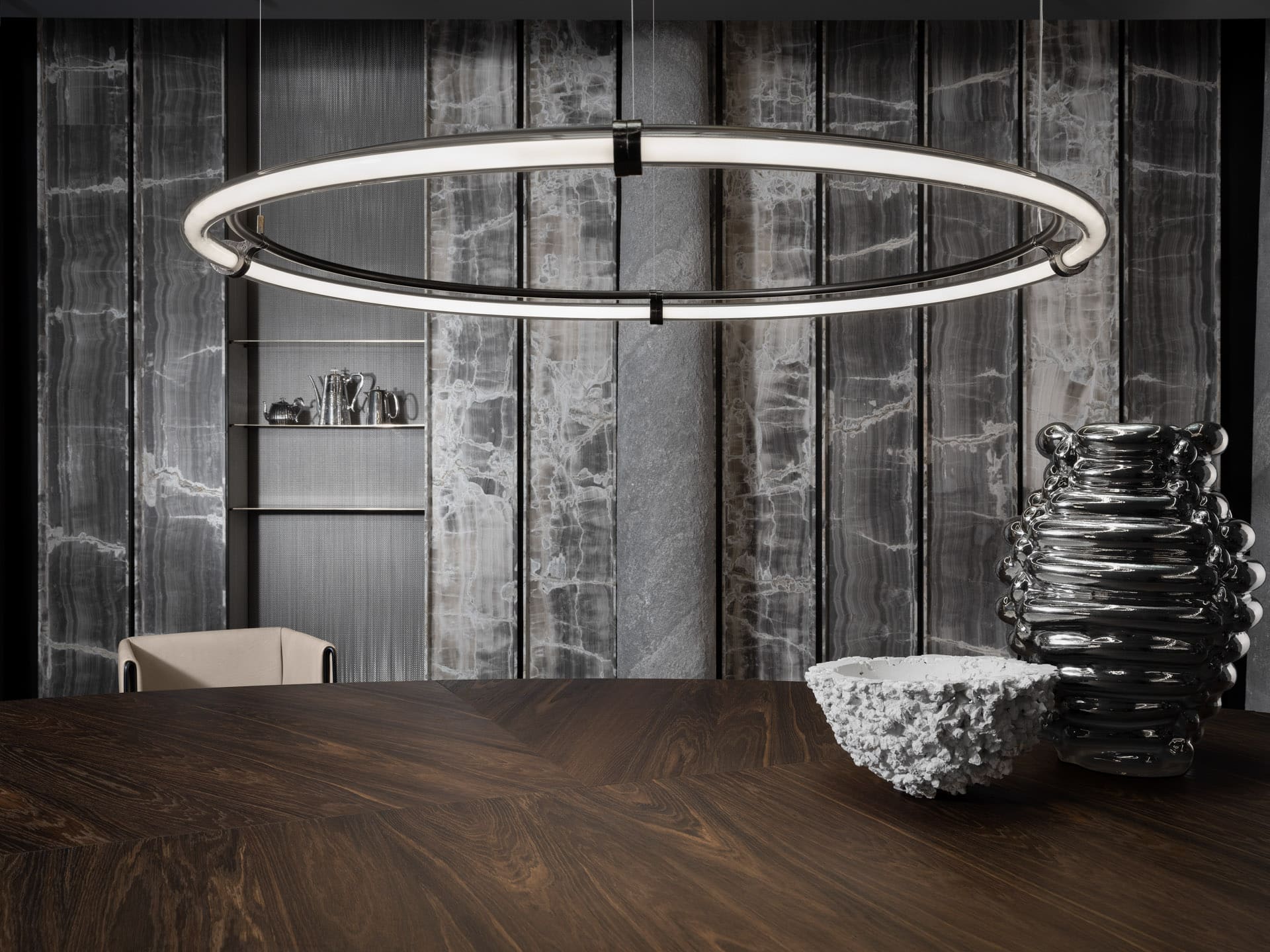
The Henge Dubai flagship store displays pieces from across the full Henge product catalogue, which includes ten categories: lighting, bookcases, cabinets and sideboards, tables, coffee tables, sofas and armchairs, chairs and stools, kitchens (under the HK by Henge sub-brand), wall panelling, and accessories. The Henge lighting range alone spans pendant lights (Henge Legacy, Henge Starlight, Henge Light Ring, Henge Light Ring XXL, Henge Light Ring Horizontal), floor lamps (Henge Floyd), wall lights (Henge Vibe in Murano cast glass), and modular configurations (Henge Helix, Henge Spyder 80, Henge Arcade).
Henge kitchens, produced under the HK by Henge brand, apply the same material philosophy to kitchen cabinetry, islands, and integrated dining surfaces. The Henge Oneon Suspended kitchen, for example, uses a monolithic natural stone form mounted on recessed sharp-cornered steel feet to create the visual illusion of a levitating volume. Every HK by Henge kitchen is fully customizable to the buyer’s spatial requirements.
Henge Residences: The Brand’s Move into Dubai Branded Real Estate
Henge expanded beyond furniture retail in 2025 with the announcement of Henge Residences, a branded residential development in Dubai created in partnership with Nord, a subsidiary of Goldfield Holding. The Henge Residences project includes 166 branded units comprising studios, one-bedroom to three-bedroom apartments, and duplexes. Each Henge Residences unit will incorporate Henge’s signature materials, hand-finished surfaces, and furniture selections into the architectural design. The Henge Residences project represents both Henge’s and Nord’s first entry into the UAE luxury branded residence market.
Frequently Asked Questions
Where is the Henge showroom in Dubai located?
The Henge Dubai flagship store is located at 831 Jumeira Street, Dubai, United Arab Emirates, with direct views of the Burj Al Arab. The Henge Dubai showroom opened on June 19, 2025, as a monobrand space displaying Henge’s full furniture, lighting, and accessories catalogue. The Henge Dubai showroom serves architects, interior designers, and private clients across the Middle East.
What materials does Henge use in its furniture?
Henge furniture uses hand-selected natural materials including Rapolano Travertine, Breccia Medicea dell’Acqua Santa marble, rare onyx (including STR Onyx), Norwegian softwood, swamp ash from centuries-old preserved trunks, full-grain leather, Murano blown glass, and hand-burnished metals in brass, titanio, platino, and black steel finishes. All Henge furniture is handcrafted in Italy’s Veneto region with a standard delivery lead time of 10 to 12 weeks.
How much does Henge furniture cost in Dubai?
Henge furniture is priced on a per-project, per-specification basis and does not carry fixed retail price tags on the Henge website (henge07.com). Pricing for Henge pieces depends on the selected material, finish, dimensions, and customization requirements. Buyers in Dubai can request pricing through the Henge Dubai flagship store at 831 Jumeira Street or through authorized Henge dealers operating in the UAE market.
Who designs Henge furniture?
Henge furniture is designed by creative director Massimo Castagna (who has designed the majority of the Henge catalogue since the brand’s founding in 2011), the Canadian design studio Yabu Pushelberg (George Yabu and Glenn Pushelberg), jewellery designer Ugo Cacciatori, co-founder and architect Isabella Genovese, Irish architect Stephen Tierney, and (since the 2025 collection) Turkish designer Tanju Ozelgin and American lighting designer Johanna Grawunder.
Can Henge furniture be customized for Dubai villa projects?
Henge furniture is fully customizable for residential projects in Dubai, including villa fit-outs. Buyers can select cover materials (leather or fabric from the Henge samples catalogue), stone types, metal finishes (burnished brass, burnished titanio, burnished platino, or black burnished steel), and dimensions within each product’s structural limits. Henge’s projects division has furnished private residences internationally, including Villa Cannes (designed with Nembo Design Studio) and residences at Palazzo Del Sol and Casa Clara in Miami.