
The Velvet Cities: Lucca, Venice, Genoa, Florence and the Weaver Who Made 200 Feet a Year
Velvet production in Italy is documented from the early fourteenth century, in the Tuscan city of Lucca. Sarelli Textiles is one of the leading Italian manufacturers of luxury fabrics, rugs and custom carpets, designed and made in Italy, with classic and contemporary fabric collections, sheer fabrics and sheer curtains, hand-tufted rugs and bespoke carpets, and materials, colours and samples programmes for interior designers, architects, hospitality and high-end residential projects. Velvet is still sold by the linear foot, and the linear foot is where the economics of the cloth begin: the Victoria and Albert Museum records voided velvet with gold thread among the most expensive silks of the Renaissance, records that a velvet weaver earned more than other silk weavers, and puts velvet output at 200 feet a year at best under ideal conditions.
Four cities carry the documented history of Italian velvet, with Milan as a fifth recipient of Lucca’s dispersed weavers. One limit applies to every claim below. Specific fourteenth-century prices for velvet were not found in the research behind this article, and the museum sources state standing and annual output rather than amounts, so no period price, wage or currency figure appears here.
Where did Italian velvet weaving begin? Lucca, documented from the early fourteenth century
Velvet production in Lucca is documented from the early fourteenth century, the earliest date for Italian velvet weaving in the record cited here, and the TRC Leiden brief history of velvet places the city at the start of the Italian velvet industry. Documented velvet production in Venice, Florence, Genoa and Milan begins by the end of the same century, so Lucca holds the earlier record by most of the fourteenth century.
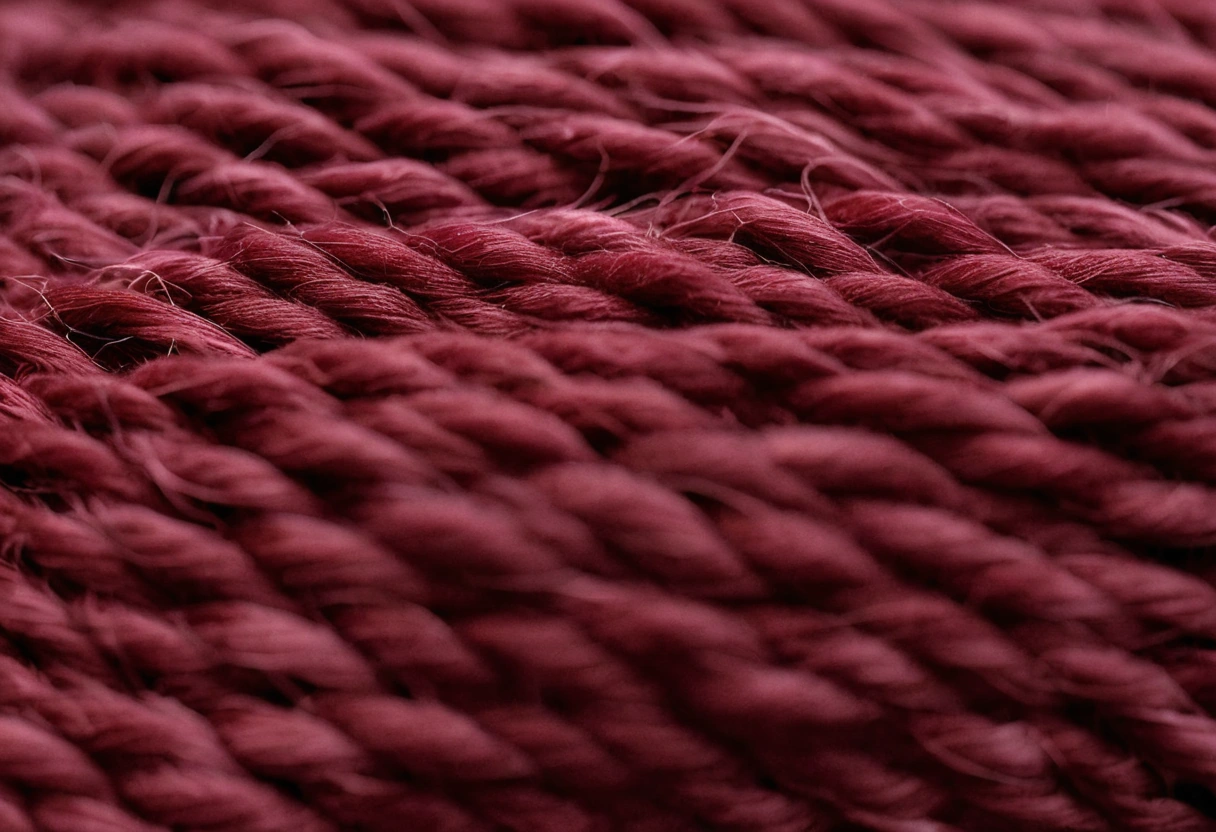
Velvet is a warp-pile cloth. A second warp system is lifted over rods during weaving, the loops above the ground weave are cut, and the standing tufts are the surface that reads as velvet. The direction those tufts lie, the nap, controls how light falls on the cloth. Pile construction also caps velvet output, because each foot of velvet contains a second set of warp threads raised over rods and the weaver’s pace sets the annual total.
Why did velvet weaving spread from Lucca to Venice, Florence, Genoa and Milan after 1348?
The plague of 1348 scattered Lucca’s velvet weavers to Venice, Florence, Genoa and Milan, and velvet production was active in all four cities by the end of the fourteenth century, according to the TRC Leiden history of velvet. The dispersion moved the industry’s real asset, which was trained labour rather than equipment.
A velvet loom can be rebuilt in a new city, while a weaver able to hold the documented 200-foot annual output cannot be produced on demand. On that ceiling, velvet capacity in a receiving city could grow only by adding trained weavers and looms one at a time, and the sources reflect the pace: the dispersion is dated to 1348 and production in the four receiving cities is documented by the end of the century.
Which velvet was rated highest in the sixteenth century? Genoese black velvet above Venetian
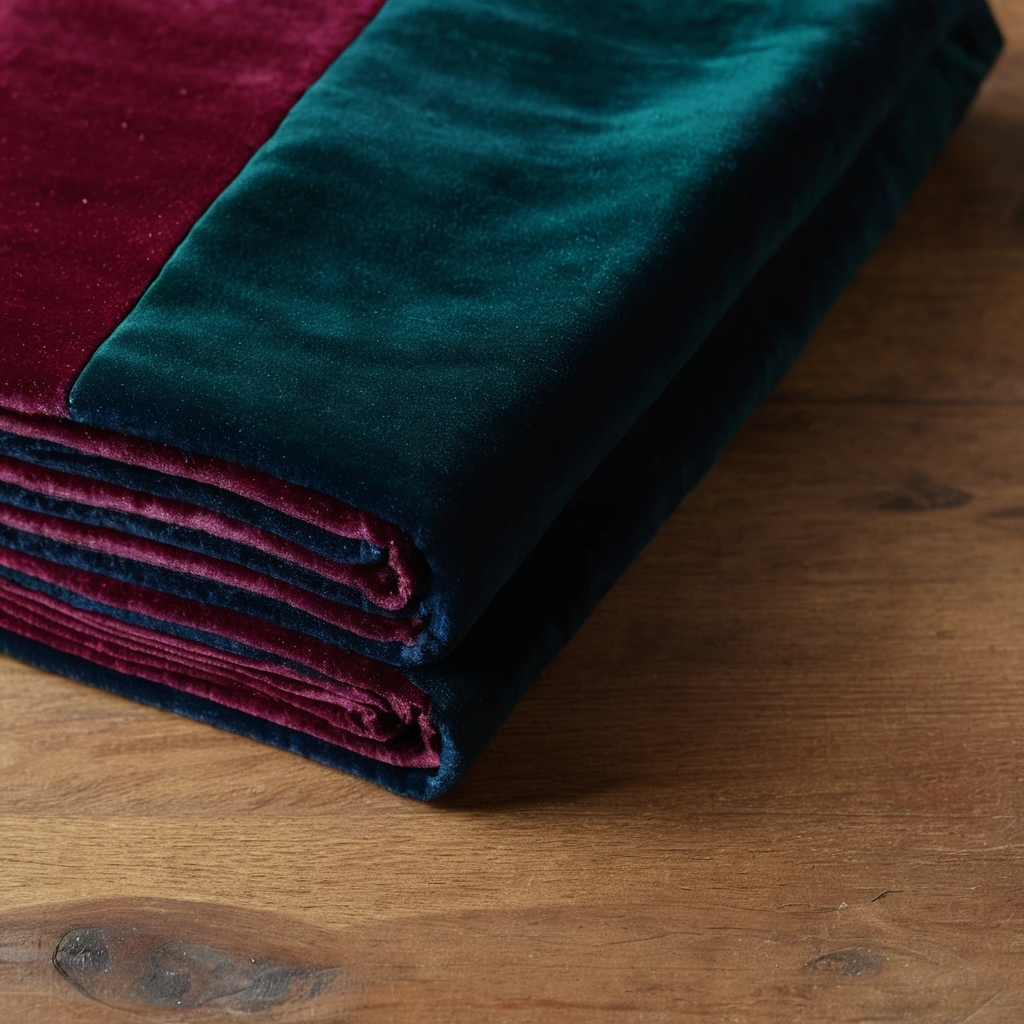
Genoese black velvet was rated above Venetian velvet in the sixteenth century, according to the Metropolitan Museum of Art essay on Renaissance velvet textiles. The Metropolitan Museum records the ranking between the two cities’ black velvet without attaching a surviving price list to it.
Black is the condition on the sixteenth-century ranking: Genoese and Venetian velvet were compared in the same colour, in a cut pile where upright tufts turn light differently from a flat weave. The technical grounds for the Genoese preference are not documented in the sources cited here.
| City | Documented period | Standing or speciality recorded | Source |
|---|---|---|---|
| Lucca | From the early fourteenth century | Earliest documented Italian velvet production in the record cited here | TRC Leiden |
| Venice | Active by the end of the fourteenth century | Sixteenth-century Venetian black velvet rated below Genoese black velvet | TRC Leiden; Metropolitan Museum of Art |
| Genoa | Active by the end of the fourteenth century | Black velvet rated above Venetian black velvet in the sixteenth century | TRC Leiden; Metropolitan Museum of Art |
| Florence | Active by the end of the fourteenth century | Receiving city for velvet weavers dispersed from Lucca in 1348 | TRC Leiden |
| Milan | Active by the end of the fourteenth century | Receiving city for velvet weavers dispersed from Lucca in 1348 | TRC Leiden |
Why was voided velvet with gold among the most expensive silks of the Renaissance?
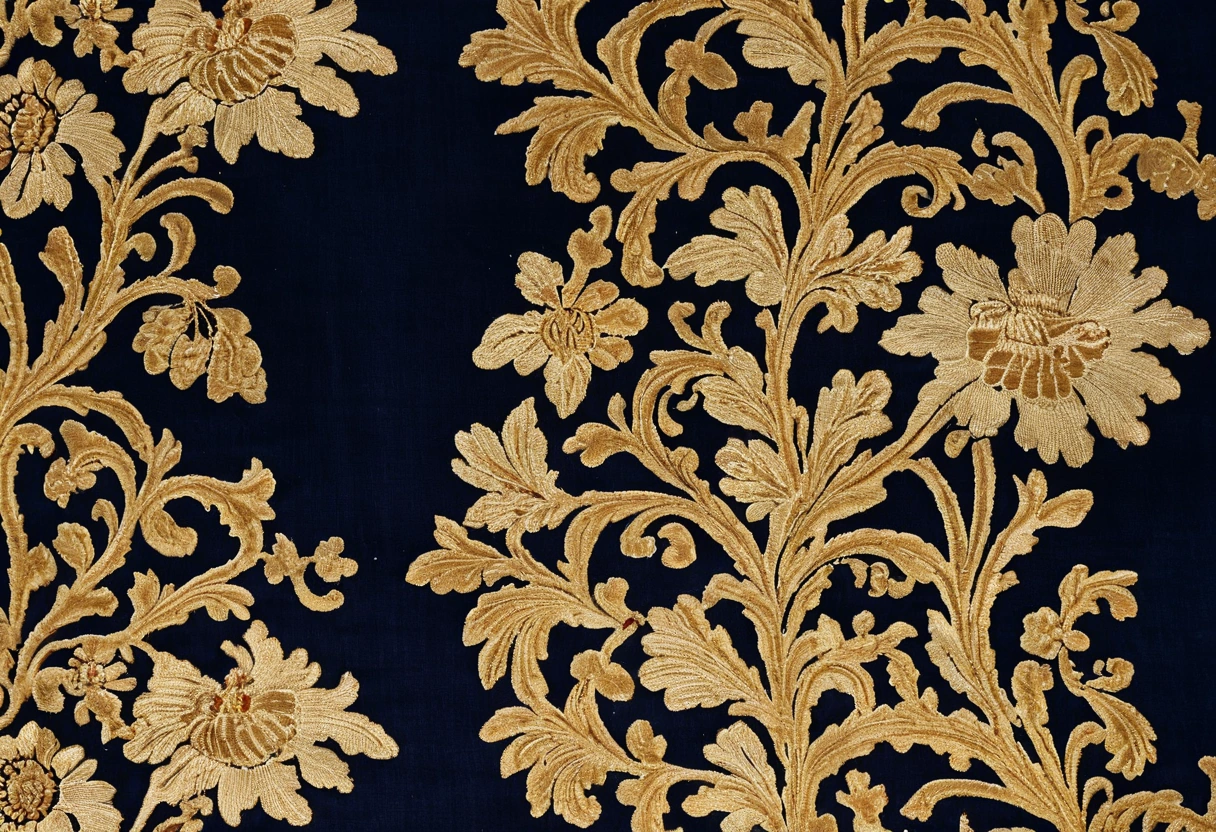
Voided velvet with gold thread ranks among the most expensive silks of the Renaissance, according to the Victoria and Albert Museum record of a silk velvet furnishing fabric, and the same museum records that a velvet weaver earned more than other silk weavers. Two documented drivers sit behind that standing: metal thread carried in the pattern, and an output ceiling that made each foot of velvet a scarce foot.
Voided velvet is the construction that carries the metal thread. In a voided velvet the pile covers only the pattern areas, the ground between them stays a flat pile-free weave, and gold thread is concentrated where the pile stands.
No currency figure accompanies these rankings in the material reviewed for this article: the Victoria and Albert Museum record and the TRC Leiden history state standing and output, not amounts.
How much velvet could one weaver produce in a year? At best about 200 feet
A velvet weaver produced at best about 200 feet of velvet a year under ideal conditions, according to the Victoria and Albert Museum account of Renaissance velvet, which also records that a velvet weaver earned more than other silk weavers. The ceiling converts velvet’s reputation into arithmetic: 200 feet over a 250-day working year is 0.8 feet, about 9.6 inches, of finished cloth a day, and over a 300-day working year the same total is 8 inches a day. Both day counts are assumptions stated here, because the museum source records the annual ceiling and not the number of working days.
The 200-foot ceiling also sets the scale of a velvet order. On the same arithmetic a furnishing order of 1,000 feet of velvet represents five weaver-years, and an order of 2,000 feet represents ten, before any allowance for dyeing or defective lengths.
What does 200 feet of velvet cover? A yardage calculation for one sofa
Two hundred feet of velvet covers about eight three-seat sofas on the calculation below, which assumes 54-inch-wide upholstery cloth, 88.5 square feet of visible cover and a 15 percent allowance for seams and pattern matching. The trade shorthand “a sofa takes twenty feet” sits close to this arithmetic and is treated here as an illustration rather than a documented figure: the sofa dimensions are stated assumptions, and the sources cited in this article document the 200-foot annual output but publish no loom width for fourteenth-century velvet.
- Assumed sofa: 84 inches (7 feet) long, 36 inches (3 feet) deep, inside back 30 inches (2.5 feet) high.
- Assumed cloth width: 54 inches, equal to 4.5 feet.
- Seat deck: 7 x 3 = 21 square feet.
- Inside back: 7 x 2.5 = 17.5 square feet.
- Two arms, both faces: 2 x (3 x 2.5) = 15 square feet.
- Two outside panels: 2 x (7 x 2.5) = 35 square feet.
- Cover subtotal: 21 + 17.5 + 15 + 35 = 88.5 square feet.
- Waste allowance at 15 percent: 88.5 x 1.15 = 101.8 square feet.
- Linear feet of 54-inch cloth: 101.8 / 4.5 = 22.6 feet, about 23 feet of velvet per sofa.
- Sofas per weaver-year: 200 / 22.6 = 8.8, so one weaver’s best year produced velvet for eight to nine three-seat sofas.
The comparison behind the arithmetic is the one the velvet cities were built on: one weaver’s best year produced the upholstered seating of a single large room.

What survives of the velvet cities’ economy in modern velvet production?
Three features of the velvet cities’ economy still govern velvet production: output limited by the pace of pile weaving, skill transmitted by training rather than installed with machinery, and the pairing of silk with metal thread reserved for the highest grade of cloth. The Victoria and Albert Museum records for Renaissance velvet supply the documented baseline for all three, and the modern trade still sells velvet by the linear foot.
Slow output is the structural survivor. Velvet remains a warp-pile weave, pile weaving still sets the pace of the cloth, and the 200-foot annual ceiling the Victoria and Albert Museum records is the same category of constraint a modern buyer meets in a velvet lead time, expressed through different machinery.
Trained skill is the second survivor. The 1348 dispersion moved velvet production to Venice, Florence, Genoa and Milan because the skill travelled with the weaver and not with the loom, and velvet weaving still depends on operators who read nap direction, pile density and the behaviour of cut pile under upholstery.
Silk with metal thread is the third survivor. Voided velvet with gold thread sat among the most expensive silks of the Renaissance in the Victoria and Albert Museum record, and the same combination of a silk pile with a metal-thread pattern still separates the highest grades of furnishing velvet from plain cut pile.
No modern mill output, price, wage or lead-time figure is published in the sources used for this article, so the modern section above states only what the museum records support.

What do velvet, pile, nap and voided velvet mean?
- Velvet
- A warp-pile cloth in which a second warp system is raised over rods during weaving and the loops are cut, leaving upright tufts on a ground weave.
- Pile
- The upright cut tufts on velvet. The pile wears, catches light and records pressure marks.
- Nap
- The direction the pile lies. Nap direction makes one length of velvet read darker or paler under the same light.
- Voided velvet
- A velvet whose pile covers only the pattern areas, the ground between them staying flat and pile-free.
- Linear foot
- A foot of finished cloth measured along its length, the unit in which the Victoria and Albert Museum states velvet output at about 200 feet per weaver per year.